
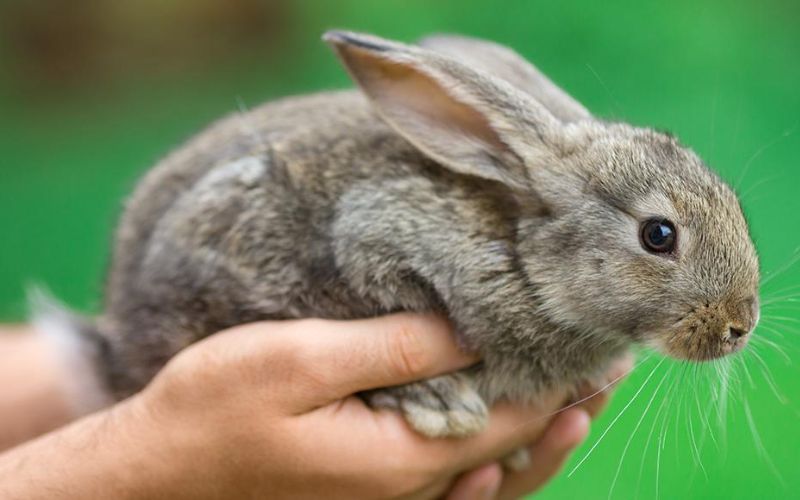
Having a pet can bring a wide range of positive feelings, from the simple pleasure of companionship to the weight of duty that comes with taking care of another living being. This is a life-altering choice because it will affect both you and the live thing you choose to care for. Due to their individual attributes and peculiarities, rabbits have distinguished themselves as charming and popular pets. Read this article on “How to Care for a Pet Rabbit?” and get known about every fact regarding rabbits care guide.
Popularity of Rabbits as Pets
The popularity of rabbits as household pets has skyrocketed over the years. Their kind natures and endearing dispositions contribute to this effect. These little herbivores have captured the hearts of people of all ages, making them a popular option for those looking for a fuzzy, dependable companion.
How to Care for a Pet Rabbit?
To help you decide if a rabbit is the ideal pet for you, we’ve put together this detailed guide. In this article, we will explore the many facets of owning a rabbit, including their distinct qualities as pets, the most important factors to think about before bringing one into your home, their dietary and social needs, their grooming requirements, and the costs involved. The benefits and drawbacks of keeping a rabbit as a pet will be discussed, as well as helpful tips for finding the right bunny friend. After reading this article, you will have all the knowledge necessary to care for a rabbit properly.
[table id=2 /]
Characteristics of Rabbits as Pets
The Appeal of Rabbits as Companion Animals
The kind and loving temperament that rabbits are known for makes them great pets. They’re known for developing deep connections with their owners and providing constant companionship. Their ability to provide both physical and mental warmth and comfort is a major selling point for people looking for a companion.
Variation in Rabbit Sizes and Breeds
There is a wide range of sizes, coat colors, and personality types among rabbit breeds. It is essential for prospective rabbit owners to be aware of these breed distinctions so that they can choose a bunny best suited to their needs and tastes. Some people would rather have a small, active rabbit, while others would rather have a large, mellow one.
Lifespan and Long-Term Commitment
If given the right environment and diet, rabbits can live for ten years or more. Such a long expected lifespan requires a major financial and time investment. Prospective rabbit owners should be ready for a lifelong commitment, as caring for a rabbit can take a major toll on one’s time and energy.
Considerations Before Getting a Rabbit
Space and Housing Needs
The decision of whether or not to house your rabbit indoors or outdoors should be thought out well, taking into account aspects including the local environment, safety concerns, and your rabbit’s specific requirements. When it comes to weather and predators, it’s best to stay indoors, but outside arrangements still need to be safe and spacious.
The size of the cage or hutch in which your rabbit resides is crucial. Living in quarters that are too small can be stressful and even hazardous to your health. Your rabbit needs plenty of room to run around in and for their natural habits to flourish, so make sure you provide that for them.
Time and Attention
Rabbits need daily attention and interaction because they are sociable creatures. They need daily attention, including socialization, exercise, and care. Isolation and behavioral issues can result if a person’s social needs are ignored.
Allergies and Health Concerns
It’s possible that some people are allergic to rabbits because of their fur, dander, or hay. It’s crucial to be alert to the possibility of allergies and ready to deal with them if they arise.
Dental and gastrointestinal difficulties are two of the most common types of illness that can affect rabbits. Careful monitoring for signs of sickness and routine veterinary checkups are essential parts of safe rabbit management.
Rabbits’ Social Needs
Explaining Their Social Nature
Understanding the social behavior of rabbits is essential for caring for them properly. Rabbits in the wild typically form social groups, and domestic rabbits have kept this social urge. Rabbits and humans alike benefit greatly from social interaction.
Importance of Companionship for Rabbits
Rabbits require social interaction as much as any other mammal. Loneliness and stress can negatively impact a rabbit’s health and behavior if they don’t have somebody to talk to. Rabbits are social creatures, therefore it’s best to keep them in groups of two or three for their own mental health.
Options for Socializing a Rabbit
Selecting a companion for a solitary rabbit or introducing a new rabbit to an established rabbit can be a tricky task. It’s crucial to use the right bonding methods, introduce new things slowly, and keep an eye on the animal constantly. Problems, including territorial behavior, can arise and need to be dealt with if peaceful cohabitation is to be maintained.
Nutrition and Diet
Significance of a Proper Diet
A rabbit’s health and lifespan are greatly influenced by the quality of its diet. Hay, fresh vegetables, and specially made rabbit pellets are the staples of a rabbit’s diet, which differs greatly from that of most other household pets. For their health’s sake, you must learn to recognize their nutritional requirements.
Common Foods Rabbits Can Eat
It’s important to know which meals are healthy and appropriate for rabbits, yet they can eat just about anything. They need to eat a lot of fresh hay, greens, and some vegetables. To avoid weight gain and digestion problems, it’s important to stay away from foods that are high in sugar or starch.
Importance of Fresh Hay and Vegetables
Rabbits depend heavily on a diet of fresh hay. It’s great for their teeth since it encourages chewing, a natural way for their teeth to wear down. Fresh veggies add diversity and essential vitamins to the diet, making it more complete and healthy.
Grooming and Hygiene
Rabbit Grooming Needs
To maintain their health and happiness, rabbits require special care in the grooming department. Matting and the ingestion of fur, which can cause gastrointestinal issues, should be avoided with regular brushing. In addition to regular bathing and brushing, they also need regular nail trimming and dental care.
Haircutting Equipment and Methods
Proper grooming requires familiarity with the necessary equipment and methods. Keep your rabbit in tip-top shape with the help of a soft-bristle brush, nail clippers made for small animals, and regular veterinary dental examinations.
Expenses Associated with Rabbit Ownership
Outline the Costs of Caring for a Rabbit
There are a number of costs associated with caring for a rabbit, such as:
- All the money you’ll spend on feeding, housing, and supplying your pet with things like bedding, litter, and toys.
- Veterinarian Visits and Emergencies Describe the Costs Involved with Veterinary Care, Including Preventative Measures and Unexpected Costs.
Emphasize the Financial Commitment
It’s important to remember that caring for a rabbit will cost you more than simply the money it takes to get one. Part of being a responsible pet owner is setting aside money each month for maintenance and having emergency funds available for veterinarian care.
Pros and Cons of Rabbit Ownership
Advantages of Having a Rabbit as a Pet
Rabbits are described for their positive attributes as pets, such as their peaceful demeanor, ability to bring happiness and camaraderie into homes, and soft, loving temperament. Their adaptability to different environments is a result of these features.
Potential Challenges or Drawbacks
The obstacles of caring for rabbits are discussed, including the commitment of space and time, the need for social connection, and the special food and grooming demands of rabbits. Potential buyers can make a more educated choice if they are aware of these issues.
Picking the Right Bunny
Adopting vs. Buying from a Breeder
- If you’re thinking of getting a rabbit, there are a few things you should know first.
- Taking in a rabbit from a shelter or rescue group can be a very gratifying experience. It’s morally sound because many rescued bunnies are hoping for a second chance at life, and it gives a rabbit a loving home.
- If you decide to purchase a rabbit from a breeder, it is critical that you do your research and find a reputable breeder who places a premium on the happiness and well-being of their bunnies. Breeders that care about the welfare of their animals prioritize temperament, intelligence, and conformity to breed standards.
Consider the Age and Temperament of the Rabbit
The rabbit’s age is a major consideration. Kits, as young bunnies are commonly known, have unique needs in terms of care and socialization compared to adult rabbits. Whether you get a young or old rabbit depends on your choices and way of living.
Rabbit temperament is as varied as the rabbits themselves because of their unique personalities. While some people tend to be more gregarious and outgoing, others may be more reserved and prefer to spend time alone. If you want a peaceful connection with your rabbit, it’s important to get one whose personality fits nicely with your own.
Importance of Proper Research
The importance of doing one’s homework before selecting a choice cannot be overstated. You must ensure you can give a rabbit a good home by doing research about rabbit care and the unique traits of each breed.
Wrapping Up
Inspiring people to make rabbits their top priority and treat them with the care and affection they deserve. The rabbit’s welfare is improved through responsible ownership, and the human-animal link is strengthened as a result. For further instance, you can visit TheSprucePets
Finally, I’d like to urge anyone thinking about getting a rabbit to give serious thought to the trade-offs involved. The health and happiness of both rabbit and owner can be guaranteed by making educated decisions that put the rabbit’s needs first.
FAQs on “How to Care for a Pet Rabbit?”
Do rabbits make good pets for children?
While rabbits make wonderful family pets, it’s important to keep in mind the child’s age and personality before allowing unsupervised contact. In addition, the parents should be ready to shoulder the most of the responsibility for the rabbit’s upkeep.
Can rabbits be litter trained?
Litter training a rabbit is possible, but it could take some time and patience. Since many rabbits can be trained to use a litter box, they are low-maintenance pets.
How can I know if my rabbit is sick, and what should I do about it?
If your rabbit starts acting sick, you should see a vet who is familiar with caring for rabbits very away. When rabbits become ill, they decline swiftly and need emergency medical care right away.
Among rabbits, are there any that first-time owners should look out for?
The gentle nature of some rabbit breeds makes them ideal for those who have never owned a pet before. It’s common advice to start with a small, low-maintenance breed like a Dutch, Mini Rex, or Holland Lop.
Hope you like reading this article on “How to Care for a Pet Rabbit?”